Behind-the-Scenes of an Outdoor Shoot: What Really Goes Into Capturing Adventure

Behind-the-Scenes of an Outdoor Shoot: What Really Goes Into Capturing Adventure
Outdoor brands love the final product — the epic shot, the dust flying, the sun flare hitting just right.
But here’s the truth: getting that moment is way less glamorous than it looks.
Here’s a realistic look at what actually goes into capturing high-quality adventure content.
1. Prep Starts Long Before You Hit the Trail
A good outdoor shoot doesn’t start on location — it starts on a shared Google Doc and 60 unread emails.
Prep includes:
- Shot lists (that will inevitably get rearranged on-site)
- Gear packing like it’s an Olympic sport
- Permits (yay, paperwork)
- Packing gear for every scenario because the mountains don’t care about your plan
Most of the “magic” happens before a camera ever turns on.
2. The Weather Always Has Other Plans
Clear skies? Perfect lighting? Zero wind?
Sure. In theory.
Outdoor shoots usually look like:
- Rescheduling around storms
- Fighting harsh midday sun
- Filming between 30-second wind gust pockets
- Wiping mud off lenses (again and again)
Adaptability is the real skill set, not the camera settings.
3. Your Camera Crew Becomes a Logistics Crew
On a rugged shoot, roles blend fast:
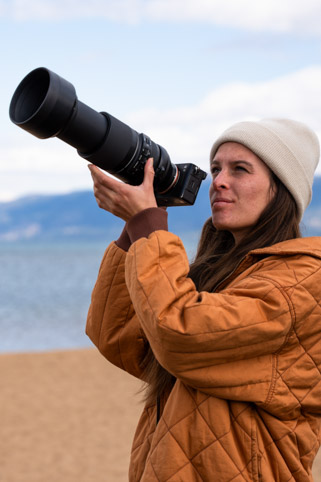
- Someone’s filming
- Someone’s carrying gear
- Someone’s directing talent
- Someone’s checking maps
- Someone’s making sure the drone doesn’t hit a tree
Sometimes, it's someone doing all of the above. It’s organized chaos — emphasis on chaos.
4. Safety Isn’t Optional
We’re not shooting in a studio.
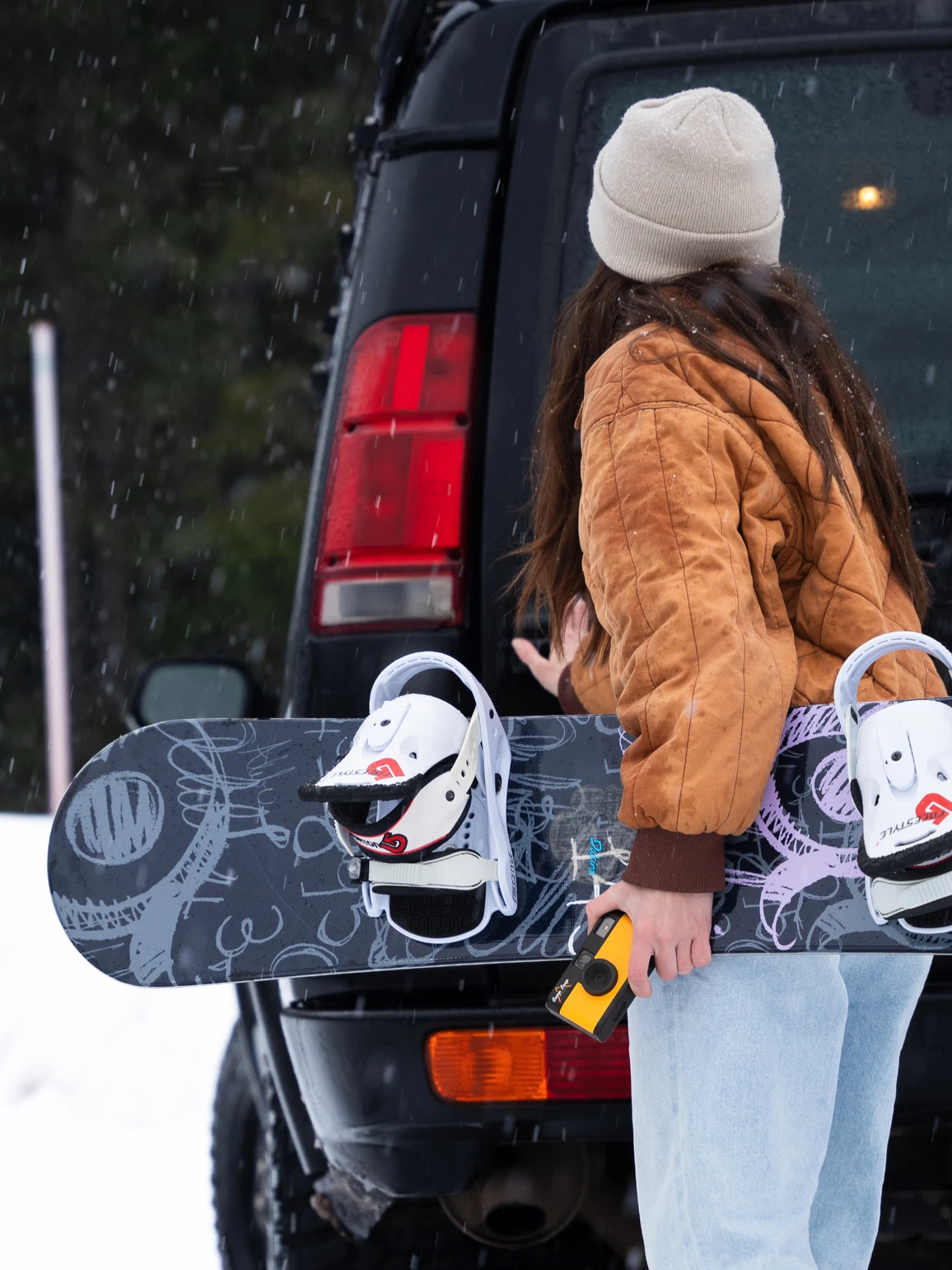
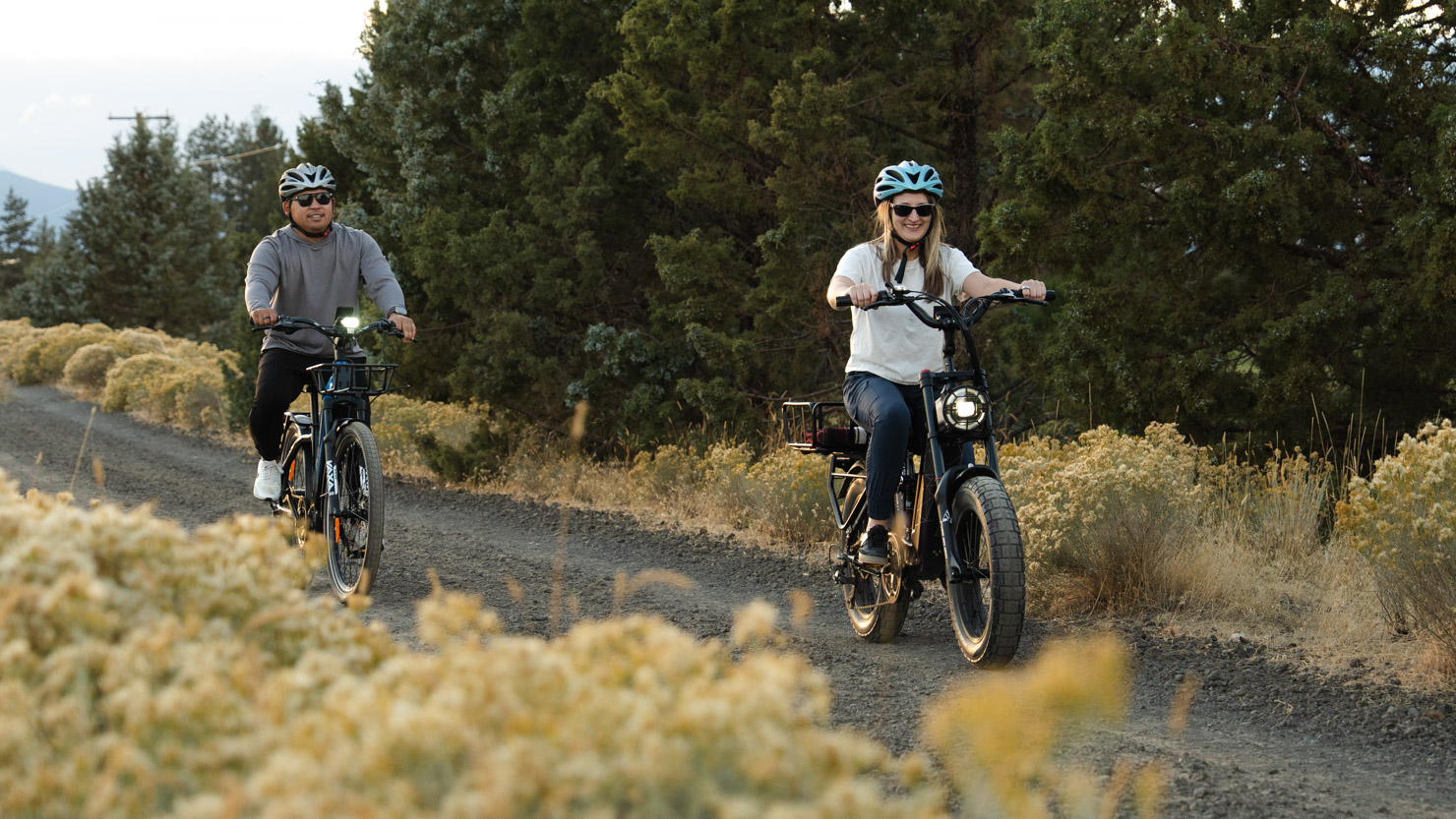
We’re shooting on rock faces, deep in snow, on ridgelines, down forest roads, or next to moving machines.
That means:
- Extra communication
- Gear redundancy
- Slow, methodical setups
- No “just send it for the shot” moments
Good content is great — staying alive is better.
5. The Best Shots Come From Real Moments
The “perfect shot” is usually:
- The unplanned moment
- The talent laughing between takes
- The real grit, the real mud, the real movement
Authenticity always wins over staging — especially in the outdoor world.
6. Post-Production Is Half the Job
You finally get home. Dump the cards. Back everything up (twice).
Then the real work begins.
Post includes:
- Sorting hundreds of shots
- Color grading across changing conditions
- Syncing audio (when it cooperates)
- Building sequences that tell a story instead of just showing pretty scenery
Outdoor shoots are demanding — but they produce the most rewarding, story-driven content you can get.
In Summary
Behind every jaw-dropping shot is strategy, patience, and logistics. Understanding the planning, gear, and team coordination required helps brands appreciate the process and maximize the content created. When your audience sees authentic, well-produced visuals, your brand storytelling comes alive without the stress of improvisation.